
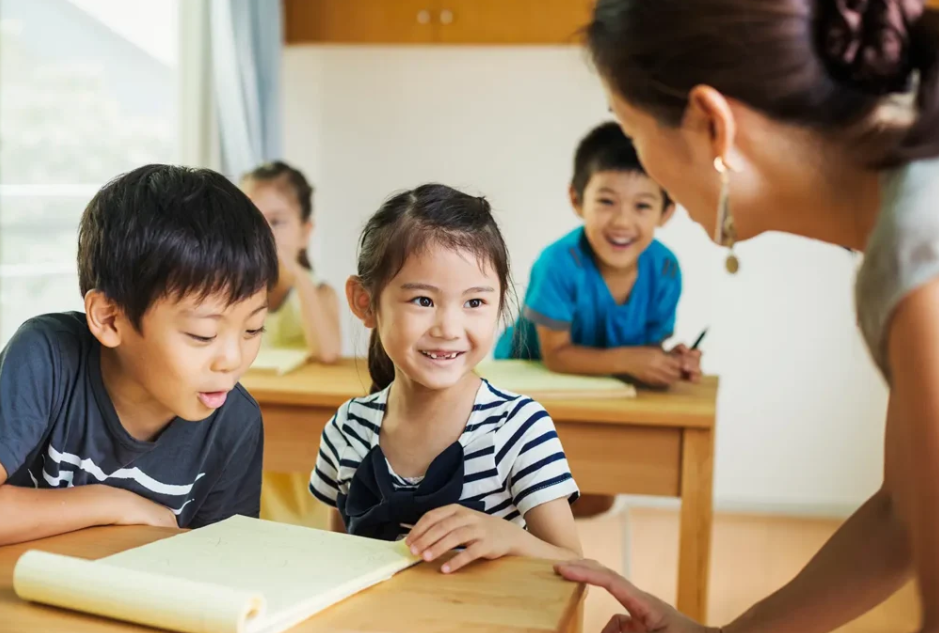
Facing the PSLE Chinese examination can feel quite overwhelming for Singaporean children, especially with the stress from challenging Paper 1 composition writing and Paper 4 oral components. At Yu Cai Education Centre, our expert tutors employ specialized PSLE programs to establish strong foundations, enhance confidence, and introduce mindfulness techniques that effectively reduce anxiety. Through early preparation, personalized routines, parental guidance, and proven strategies at our multi-location centres, students achieve genuine success.
Key Takeaways:
- Chinese tuition builds strong foundation language foundations through focused PSLE training, reducing anxiety by mastering PSLE Chinese paper formats early and boosting confidence building.
- Expert tutors address common obstacles like fear of mistakes and lack of oral practice, turning learning Chinese from a chore into an engaging language skills for better exam pressure handling.
- Personalized routines, mindfulness practices, and early PSLE preparation from chinese tuition centres like Yu Cai foster interest and resilience for PSLE Chinese success.
Understanding PSLE Stress in Chinese Exams
PSLE stress hits hard during Chinese exams in Singapore, where Primary 6 students face the Primary School Leaving Examination’s PSLE Chinese paper, battling exam pressure from tough sections like Paper 1 composition writing and Paper 4 oral. Students often feel overwhelmed by the need to perform under time constraints. This pressure stems from Singapore’s bilingual proficiency demands, requiring strong command of both English and Chinese.
The MOE syllabus aligns closely with PSLE challenges, covering areas like Listening Comprehension, reading comprehension, and stimulus-based conversation. Primary 6 pupils struggle with stage fright during public speaking oral exams, where they must articulating thoughts clearly. Exam techniques such as time management become crucial to handle composition writing effectively.
Conversational insights reveal that many students fear making mistakes in tone accuracy or expressive delivery. Tuition addresses this by offering primary Chinese tuition tailored to PSLE preparation. Small class sizes in Chinese tuition centres allow for personalized feedback on oral skills and essay writing.
Through interactive lessons and mock exams, Chinese tuition builds confidence and reduces exam pressure. Students practice breathing exercises to combat stage fright. This structured approach fosters language skills essential for academic success in a bilingual society.
Building Strong Language Foundations
Building strong foundation language foundations through primary chinese tuition starts early from Primary 1 or P1, focusing on language skills like vocabulary expansion, character formation, and sentence structure for cognitive development.

These foundational elements help students master PSLE Chinese requirements within Singapore’s bilingual society. Tuition classes emphasize hanzi stroke order and basic phrases, building confidence from the start. Early practice reduces later exam pressure by making language feel natural.
Idioms understanding and sentence patterns come next, using interactive lessons to connect words into meaningful expressions. Students learn to use 成语 like 画蛇添足 in context, improving essay writing. This structured approach supports cognitive growth and bilingual proficiency.
In Singapore’s bilingual society, strong Chinese foundations aid overall academic success. Tuition centres offer progress tracking to ensure steady improvement in reading comprehension and oral skills. Parents see children handle PSLE preparation with less stress as foundations solidify.
Focused PSLE Training
Focused PSLE preparation training at chinese tuition centres hones exam techniques with revision plans, spaced repetition, mock exams, and practice tests tailored for Primary 6 psle chinese oral tuition. Students follow structured schedules that align with the MOE syllabus. This approach builds language skills steadily for the PSLE Chinese oral examination.
Spaced repetition reinforces vocabulary, idioms, and sentence patterns over time. Tutors use memory aids like visualisation mnemonics and storytelling tools to aid retention. Primary 6 pupils review material at increasing intervals to strengthen long-term recall.
Mock exams and practice tests simulate real PSLE conditions, including stimulus-based conversation and reading comprehension. Students practice oral fluency and listening comprehension under timed time management settings. Feedback from tutors helps refine tone accuracy and expressive delivery.
- Develop revision plans with daily oral practice sessions.
- Incorporate breathing exercises to manage stress management.
- Track progress tracking through weekly practice tests for confidence building.
Common Obstacles Your Child May Face
Common obstacles in primary school chinese often include exam pressure and hurdles to bilingual proficiency that PSLE tuition helps overcome conversationally. Kids in Singapore face daily struggles with Chinese tuition needs, from mastering oral skills to handling PSLE preparation. These challenges build up, especially in a bilingual society.
PSLE Chinese demands strong language skills like composition writing and listening comprehension. Without targeted primary Chinese tuition, children struggle with the MOE syllabus. Tuition centres offer small class sizes for focused exam techniques.
Everyday hurdles link to bigger issues like stage fright in PSLE Chinese oral. chinese oral tuition addresses time management and stress management. Parents notice improvements in confidence building through regular practice tests.
Overcoming these leads to academic success and cultural appreciation. Revision plans with mock exams prepare for Primary 6 pressures. Bilingual proficiency grows naturally with consistent support.
1. Lack of Practice in Daily Life
Lack of practice in daily life leaves kids rusty on oral practice and pronunciation practice essential for oral communication. In a busy primary school routine, chances to speak Chinese fade. This gap affects tone accuracy and expressive delivery.
Chinese tuition fills this void with dedicated PSLE Chinese oral tuition. Sessions focus on stimulus-based conversation and interview skills. Children practice describing pictures or sharing opinions in real-time for communication mastery.
Small class sizes allow personalized feedback on oral fluency. Tutors guide posture training and body language awareness. Regular drills build communication mastery.
Parents see gains in articulating thoughts and presenting arguments. Oral class programme use spaced repetition for lasting improvement. This prepares for Chinese oral examination demands.
2. Seeing Chinese as a Chore
Seeing Chinese as a chore fades away with interactive lessons that spark confidence building and cultural appreciation. Many kids view learning Chinese as dull repetition. This mindset blocks vocabulary expansion and joy in the language.
Primary Chinese tuition shifts focus through fun activities like storytelling tools. Tutors introduce Chinese idioms via games or metaphors analogies in stories. Essay writing becomes creative, not forced.
Reading comprehension lessons tie into cultural understanding. Group discussions encourage engaging dialogue. Kids gain a strong foundation in sentence patterns.
PSLE preparation feels lighter with progress tracking. Higher Chinese elements add depth without overwhelm. This fosters cognitive development and lifelong interest.
3. Fear of Making Mistakes
Fear of making mistakes fuels stage fright, but stress management and confidence building in tuition turn it around. During public speaking, anxiety hits hard in PSLE Chinese oral. This stalls oral skills progress.
Tuition introduces breathing exercises before practice. Tutors normalize errors with positive feedback. Memory aids like visualisation mnemonics ease recall under exam pressure.
Mock exams simulate real exam pressure. Children learn Neuro Somatics™ for calm. Language Memory Programming Semantics™ (LMPS) strengthens Speech Linguistic Patterns™.
Results show better character formation and sentence structure. Practice tests build resilience. Kids handle listening comprehension with poise, ready for success.
How Chinese Tuition Reduces Exam Anxiety
Chinese tuition reduces exam anxiety through time management and stress management in small class sizes, making learning feel supportive. Students in primary chinese tuition learn to break down the MOE syllabus into manageable parts. This approach builds confidence for PSLE preparation.
In chinese tuition centres, tutors teach breathing exercises and relaxation methods before oral practice sessions. These tools help students stay calm during mock exams and practice tests. Over time, this lowers overall exam pressure.
Interactive lessons focus on language skills like reading comprehension and composition writing. Students gain confidence building as they master exam techniques. Small class sizes allow personalized feedback, reducing fear of failure.
This foundation leads naturally to benefits from small class sizes and targeted stress management. Students handle PSLE Chinese challenges with ease. Academic success follows as anxiety fades.
Early PSLE preparation and Study Techniques
Early preparation with study techniques like revision plans and memory aids sets up PSLE preparation for smooth success. Tutors in Chinese tuition create tailored revision plans from Primary 6. This covers PSLE Chinese oral, Listening Comprehension, and more.
Visualisation mnemonics help with character formation and tone accuracy. For example, students picture stories around vocabulary idioms to recall them easily. Spaced repetition reinforces vocabulary expansion over weeks in Singapore.
- Develop revision plans weekly to track MOE syllabus progress.
- Use memory aids like drawings for sentence patterns.
- Practice visualisation mnemonics for storytelling tools in essays.
These methods build a strong foundation in primary school Chinese. Students tackle essay writing and reading comprehension without panic. Early habits lead to better cognitive development and bilingual proficiency.
Growing Confidence and Interest
Growing confidence and interest blooms through confidence building in oral fluency and public speaking practices. Speech Academy Asia Chinese tuition PSLE programs focus on these areas to help students overcome shyness. This approach turns anxiety into excitement for the Mandarin language.
Students engage in regular oral practice sessions tailored to the PSLE Chinese examination oral format. They practice stimulus-based conversation and articulating thoughts clearly. Such exercises build Oral Communication skills and make speaking Chinese feel natural.
Public speaking drills, including posture training and body language awareness, reduce stage fright. Tutors use interactive lessons in small class sizes to encourage participation. This fosters a love for Chinese and prepares students for exam pressure.
Through PSLE preparation, children develop expressive delivery and tone accuracy. They learn storytelling tools like metaphors and analogies. This sparks interest, leading to better engagement in primary Chinese tuition.
Building Oral Fluency
Oral fluency grows with targeted Hao Chinese Tuition Chinese oral tuition that emphasizes pronunciation practice and sentence patterns. Students repeat phrases to master tone accuracy and vocabulary idioms. This steady practice enhances their ability to speak smoothly during Primary School Leaving Examination.
In PSLE Chinese oral tuition, tutors introduce breathing exercises to calm nerves. Children practice engaging dialogue on familiar topics like family or school life. These sessions build confidence for real exam scenarios.
Experts recommend daily Oral Communication drills to improve fluency. Students record themselves and review for better expressive delivery. Over time, this leads to natural flow in Chinese oral examination responses.
Mastering Public Speaking
Public speaking in Busy Bees Learning Centre Chinese tuition centres involves presenting arguments and cultural understanding topics. Students learn to use memory aids like visualisation mnemonics for recalling idioms. This makes speeches more engaging dialogue and confident.
PSLE Chinese paper programs include mock oral exams with feedback on Speech Linguistic Patterns™. Tutors teach interview skills and handling stimulus-based conversation. Practice reduces exam pressure and builds poise.
Through interactive lessons, children explore sentence structure and character formation. They practice in front of peers, gaining comfort with audiences. This skill translates to stronger performance in primary 6 assessments.
Effective Routines for PSLE Success
Effective routines for PSLE success involve progress tracking, regular practice tests, and smart time management. These elements help students in PSLE Chinese preparation build steady habits. Chinese tuition centres often guide families in setting up such routines.
Progress tracking starts with weekly reviews of reading comprehension and composition writing. Tutors note improvements in language skills like vocabulary expansion and idioms understanding. This keeps students motivated during Primary 6 challenges.
Regular practice tests simulate the MOE syllabus for primary Chinese tuition. They cover Listening Comprehension, oral skills, and essay writing. Students learn exam techniques to handle PSLE preparation pressure.
Smart time management includes daily slots for revision plans and spaced repetition. Practice dividing time between stimulus-based conversation and sentence patterns. This routine boosts confidence building and reduces exam anxiety.
Implementing Progress Tracking
Progress tracking in Speech Academy Asia Chinese tuition uses simple journals to log daily achievements. Students record scores in mock exams for PSLE Chinese oral and written sections like Paper 1 and Paper 2. This method highlights strengths in oral fluency or areas needing work.
Tutors in small class sizes review these logs during interactive lessons. They adjust revision plans based on Higher Chinese needs or character formation practice. Parents see clear paths to academic success.
Tools like checklists track pronunciation practice and tone accuracy. Students mark off vocabulary idioms mastered each week. This builds bilingual proficiency in Singapore’s context.
Regular feedback loops encourage stress management. Combining tracking with breathing exercises helps manage exam pressure. Students gain a sense of control over their PSLE preparation.
Regular Practice Tests
Practice tests mimic the real Chinese oral examination and Paper 3 formats. In PSLE Chinese oral tuition, students tackle stimulus-based conversation prompts weekly. This sharpens expressive delivery and oral communication.
BBLC Chinese tuition centres at Hill V2 and Balmoral Plaza schedule full mock exams monthly, covering listening comprehension and reading comprehension. Students practice under timed conditions to build stamina. Tutors provide tips on sentence structure and storytelling tools.
After each test, debriefs focus on exam techniques like visualisation mnemonics for memory aids. This reinforces Language Memory Programming Semantics™ or LMPS approaches. Students improve in articulating thoughts.
Consistent testing reduces stage fright for public speaking. It prepares them for presenting arguments in engaging dialogue. Families notice gains in communication mastery.
Smart Time Management Strategies
Time management for PSLE success means allocating specific hours to oral practice and essay writing. Use timers for composition writing sections to match exam limits. This habit prevents last-minute rushes in primary school Chinese.
Create weekly schedules balancing revision plans with rest. Dedicate mornings to listening comprehension when focus is sharp. Evenings suit oral skills rehearsal with posture training.
Incorporate spaced repetition for vocabulary idioms and metaphors analogies. Break sessions into 25-minute blocks with short breaks. This sustains energy during intense PSLE preparation.
Track time spent on body language awareness and interview skills. Adjust based on progress tracking data. Students develop cognitive development alongside cultural understanding.
Mindfulness Practices Through Tuition
Mindfulness practices through tuition, like breathing exercises and Neuro Somatics™, tackle stress management and exam pressure head-on. These techniques help PSLE students stay calm during PSLE Chinese preparation. Tutors integrate them into sessions for immediate relief.
Breathing exercises teach students to focus on deep inhales and slow exhales before mock exams. This simple practice reduces anxiety and sharpens concentration for reading comprehension or composition writing. Regular use builds resilience against exam pressure.
Neuro Somatics™ combines body awareness with mental resets to ease tension. Students learn to release physical stress, improving oral skills like stimulus-based conversation. It enhances confidence building for the Chinese oral examination.
Tuition centres with small class sizes offer guided sessions on these methods. Combined with interactive lessons, they support PSLE preparation holistically. Students gain tools for lifelong stress management.
How Parents Can Provide Support
Parents can provide support by nurturing cultural understanding in Singapore’s bilingual society alongside progress tracking. This approach helps children connect with the PSLE Chinese syllabus while building confidence building for exams. It eases exam pressure through familiar cultural references.
Encourage daily conversations in Chinese at home to strengthen oral skills and listening comprehension. Share stories from Chinese folklore or discuss local festivals, linking them to composition writing topics. This fosters bilingual proficiency and makes learning feel natural.
Track progress with simple tools like weekly reviews of mock exams or practice tests from Chinese tuition centres. Celebrate small wins in reading comprehension or essay writing to motivate Primary 6 students. Regular check-ins reveal needs in time management or revision plans.
- Set aside time for pronunciation practice using family dialogues.
- Review MOE syllabus goals together, focusing on vocabulary expansion.
- Incorporate breathing exercises before oral practice sessions.
Integrating Cultural Understanding
Expose children to Chinese traditions through books or videos like Channel 8 that align with PSLE preparation. Discuss how these elements appear in stimulus-based conversation or Chinese oral examination. This builds cultural appreciation and improves tone accuracy at centres like JEM on Jurong Gateway Road.
Practice storytelling tools like metaphors from Singapore’s multicultural life. Relate them to sentence patterns in primary Chinese tuition. It enhances expressive delivery and reduces stage fright.
Organize family role-plays mimicking PSLE Chinese oral tuition scenarios. Use props to simulate public speaking situations. Parents guide posture training and body language awareness for better Oral Communication.
Navigating the Bilingual Society
In Singapore’s bilingual society, reinforce Chinese alongside English through mixed-language activities. Read bilingual storybooks to boost language skills and character formation. This supports cognitive development and academic success.
Encourage oral communication by debating topics in both languages. Focus on articulating thoughts and presenting arguments from daily life. It prepares for interview skills in higher Chinese classes.
Visit community events to practice engaging dialogue in Chinese. Note how peers use vocabulary idioms naturally. This real-world exposure aids communication mastery.
Effective Progress Tracking
Use journals to log improvements in Listening Comprehension and exam techniques. Compare pre- and post-interactive lessons notes from small class sizes. Adjust spaced repetition for weak areas like idioms understanding.
Schedule monthly oral class programme reviews with tuition teachers. Discuss stress management strategies like visualisation mnemonics. Track gains in sentence structure and memory aids.
- Chart scores from primary school Chinese homework.
- Note frequency of speech linguistic patterns in practice.
- Review language memory programming semantics weekly.
Benefits of Personalized Learning with Neuro Somatics™
Benefits of personalized learning shine in small class sizes with interactive lessons and Language Memory Programming Semantics™ (LMPS).
In small class sizes, tutors give each student focused attention during PSLE Chinese preparation. This setup allows for quick feedback on composition writing and oral skills. Students build confidence building without feeling lost in a crowd.
Interactive lessons make sessions engaging through stimulus-based conversation and role-play. Tutors use LMPS to embed Speech Linguistic Patterns™ and memory aids like visualisation mnemonics. This approach strengthens reading comprehension and Listening Comprehension.
Personalized revision plans track progress in MOE syllabus topics such as essay writing and oral fluency. Students practice mock exams tailored to their needs, improving exam techniques and time management. Such methods reduce exam pressure and foster academic success.
Frequently Asked Questions
Frequently asked questions about chinese tuition centres cover everything from Higher Chinese to boosting oral skills.
Parents often seek PSLE preparation tips through these centres. They help with exam pressure and time management. Questions also touch on primary Chinese tuition benefits in Singapore’s bilingual society.
Common topics include composition writing, reading comprehension, and listening comprehension. Tuition builds confidence building and stress management. It supports academic success via interactive lessons and small class sizes.
Experts recommend starting early for cognitive development and language skills. Centres offer mock exams and revision plans. This prepares students for PSLE Chinese challenges.
1. Best Age to Start Chinese Tuition?
The best age to start Chinese tuition is Primary 1 or even preschool to build a strong foundation early.
Preschool tuition focuses on pronunciation practice and basic character formation. Children learn through fun games and songs. This sparks vocabulary expansion and Language Memory Programming Semantics™.
By Primary 1, lessons cover sentence structure and simple reading comprehension. Primary School Leaving Examination preparation aids bilingual proficiency. It eases transition to school demands.
Starting early supports PSLE preparation with spaced repetition and progress tracking. Students gain cultural appreciation and idioms understanding. Parents notice better learning Chinese habits over time.
2. Differences from School Lessons
Differences from school lessons include deeper MOE syllabus coverage with stimulus-based conversation and targeted oral practice.
School follows basic primary Chinese tuition pace, while tuition dives into essay writing and composition writing. Centres use practice tests for exam techniques. This builds PSLE Chinese readiness.
Chinese tuition centres emphasize oral skills like PSLE Chinese oral through stimulus-based conversation. Students practice oral fluency and expressive delivery. School time limits such depth with JEM and Jurong Gateway Road locations.
Tuition offers interactive lessons with Higher Chinese elements, listening comprehension, and oral communication. Techniques include breathing exercises for stage fright and posture training. This fosters confidence building beyond standard classes.
Frequently Asked Questions
Why Chinese Tuition PSLE Helps Students Handle Exam Pressure Better: What Makes It Effective?
Why Chinese Tuition PSLE Helps Students Handle Exam Pressure Better because it provides targeted practice with PSLE Chinese paper questions under timed conditions at Yu Cai Education Centre. Expert tutors simulate exam environments, teaching students to stay calm and manage time effectively, reducing anxiety during the actual PSLE Chinese examination.
Why Chinese Tuition PSLE Helps Students Handle Exam Pressure Better: How Do Expert Tutors Contribute?
Why Chinese Tuition PSLE Helps Students Handle Exam Pressure Better through Yu Cai’s experienced tutors who specialize in Higher Chinese and PSLE preparation. They offer personalized strategies like mindfulness techniques and stress-relief tips tailored to Chinese composition and comprehension, building confidence and resilience against exam stress.
Why Chinese Tuition PSLE Helps Students Handle Exam Pressure Better: What Role Do Unique Teaching Methods Play?
Why Chinese Tuition PSLE Helps Students Handle Exam Pressure Better with Yu Cai Education Centre’s innovative methods, such as interactive role-playing for oral exams and progressive mock tests. These build familiarity with pressure situations, helping primary students master Chinese vocabulary and grammar without panic.
Why Chinese Tuition PSLE Helps Students Handle Exam Pressure Better: Can It Improve Time Management?
Why Chinese Tuition PSLE Helps Students Handle Exam Pressure Better by focusing on time allocation drills specific to PSLE Chinese paper. At Yu Cai’s multiple Singapore locations, students learn to prioritize sections like cloze passage and Listening Comprehension, minimizing last-minute rushes and overwhelm.
Why Chinese Tuition PSLE Helps Students Handle Exam Pressure Better: How Does It Boost Confidence?
Why Chinese Tuition PSLE Helps Students Handle Exam Pressure Better through consistent feedback and achievement tracking in Yu Cai’s programs. Regular progress reviews in preschool to secondary levels ensure students feel prepared for Higher Chinese challenges, turning exam fear into focused performance.
Why Chinese Tuition PSLE Helps Students Handle Exam Pressure Better: Why Choose Yu Cai for This?
Why Chinese Tuition PSLE Helps Students Handle Exam Pressure Better at Yu Cai Education Centre, with its proven track record in PSLE success via small class sizes and supportive environments. Convenient locations across Singapore make it easy for students to attend sessions that emphasize emotional coping alongside academic mastery.