

Introduction
Choosing Chinese tuition in Singapore for your primary school child feels confusing and high stakes. When parents type “Chinese tuition Singapore” into Google, they want clear criteria, not vague slogans. The strongest centres share trained teachers, an MOE-aligned programme, small classes, and steady progress updates.
Many centres promise good results, yet your child may still dread ting xie, composition, or oral exams. Fees, locations, and shiny brochures only make choices harder. Under that stress, it is easy to sign up based on convenience instead of quality.
This guide explains why strong Chinese support matters, what programmes exist from preschool to O-Level, and how to judge any centre with a simple checklist. You will also see realistic timelines for improvement and how tuition brands reach parents through focused digital marketing, with examples from Yu Cai Education Centre in Woodlands, Yishun/Northpoint, Seletar Mall, and Yishun Town Square.
Key Takeaways
Here is a quick overview before you compare centres in detail.
- Chinese tuition shapes exam scores and confidence. Strong Mandarin gives children cultural roots and future work options. A good centre supports both grades and relationships at home.
- Programmes span preschool to O-Level. You will see what suits your child’s age and level, from N2 to Secondary 4. Examples from Yu Cai Education Centre show how structured courses help different profiles of students.
- Clear quality markers help you choose. You will learn which factors matter most when comparing centres, what progress timelines are realistic, and how strong communication helps parents make better decisions.
Why Chinese Tuition In Singapore Has Become A Must For Families
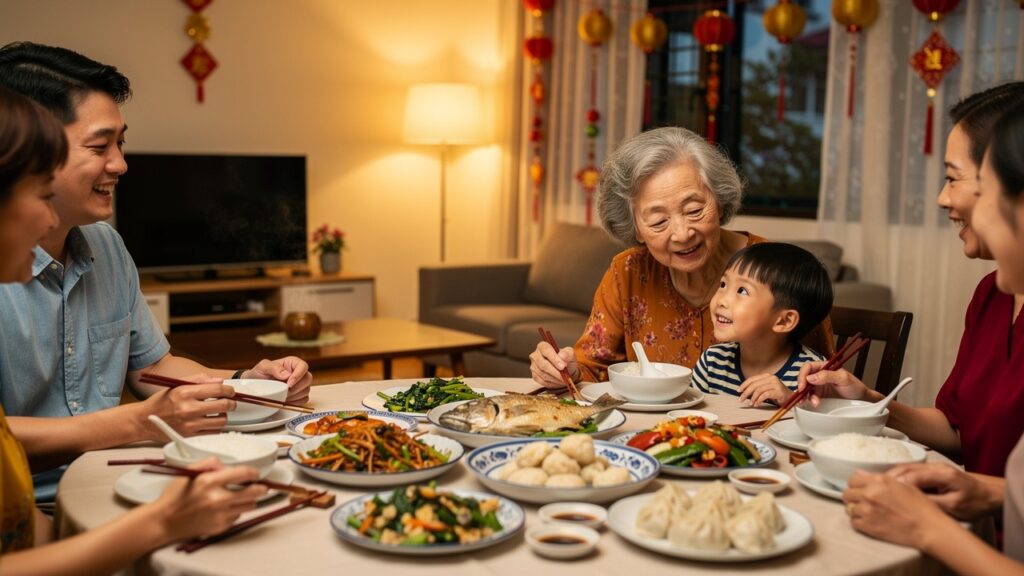
Chinese tuition in Singapore is now almost standard because Mandarin is a core subject and weak grades can pull down overall PSLE and O-Level results. The Ministry of Education (MOE) Singapore treats Mother Tongue Languages, including Chinese, as core subjects from Primary 1 through secondary school, with marks counting toward key exams (Ministry of Education Singapore).
These exams are demanding. PSLE and GCE O-Level Chinese assess reading comprehension, composition writing, oral expression, and listening as separate components. Many children struggle to master characters, sentence patterns, and tones at the speed lessons move in classrooms of thirty or more students. Mandarin has four tones, and a single tone mistake can change a word’s meaning completely, so extra practice and feedback matter (British Council).
For Chinese-heritage families, the subject carries emotional weight too, because it connects children with grandparents, dialect-speaking relatives, and festive traditions. According to the Singapore Department of Statistics, about three quarters of Singapore’s resident population is of Chinese ethnicity, which explains the strong focus on Mandarin across schools and media.
Despite all this, most students who fall behind in Chinese work hard. What they usually lack is structured support that fits their level and learning style.
“Most children do not fail Chinese from lack of effort, but from lack of structured support and steady practice.”
— Senior Chinese tutor, MOE-trained
What To Look For When Choosing A Chinese Tuition Centre In Singapore
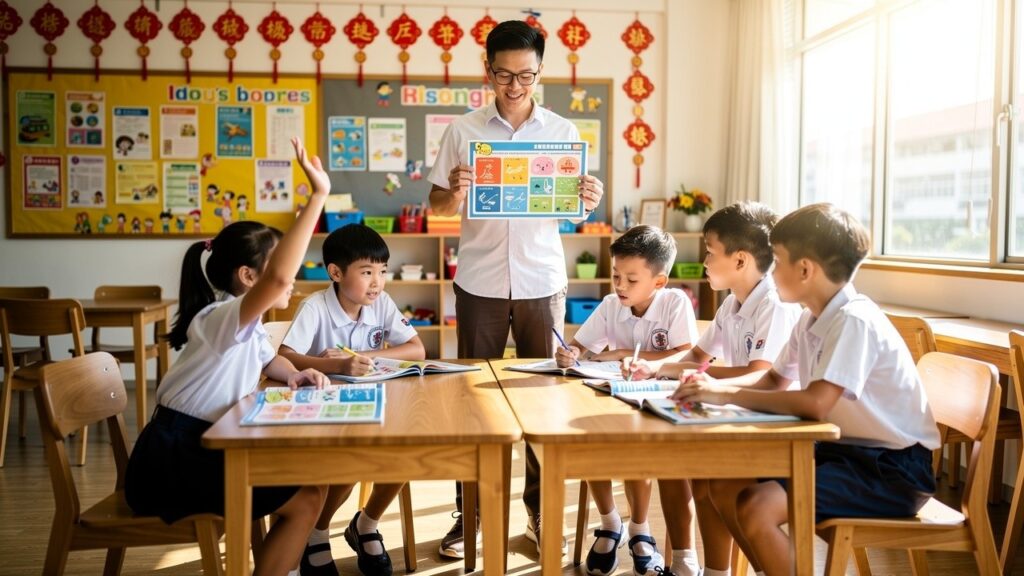
When you choose a Chinese tuition centre in Singapore for your child, some checks matter far more than price alone. Focus on:
- teacher training and experience
- curriculum alignment with the MOE syllabus
- class size
- how progress is measured and shared
These areas strongly influence how fast your child regains confidence and climbs in grades.
Strong tutors usually hold degrees in Chinese language, education, or related fields and have real classroom experience with the Singapore syllabus. Many parents prefer MOE-trained teachers because they understand PSLE and O-Level marking styles in detail. At Yu Cai Education Centre, teachers focus only on Chinese, which keeps lesson planning sharp and closely matched to school demands.
A reliable centre follows the latest MOE textbooks and exam formats, but also adds its own structured worksheets, oral drills, and model compositions. Ask how the year is mapped out across listening, speaking, reading, and writing, instead of waiting for last-minute exam crash courses. Look for regular, low-stress quizzes rather than surprise high-stakes tests.
Class size is another key filter. In small groups of about six to eight students, tutors can hear each child’s pronunciation, watch handwriting closely, and invite shy students to speak. Clear communication with parents through written reports and simple messages (for example via WhatsApp) makes it easy to see where marks are rising or slipping, and what you can do at home.
Teaching Methodology And Why It Matters More Than You Think
Teaching style in Chinese tuition affects both grades and motivation, especially for children who already say they dislike the subject. A centre that only drills worksheets may lift scores for a while but often drains interest. In contrast, modern classrooms mix storytelling, games, short videos, and structured conversation so children experience Chinese as a language they can really use beyond exams.
Yu Cai Education Centre blends fun reading and writing activities with systematic exam practice. This approach works for both playful preschoolers and stressed Primary 6 students, because it keeps lessons engaging while still building exam skills. Tutors adjust explanations and activities for different learners and switch between Mandarin and English when needed, a practice supported by research from the National University of Singapore on how bilingual explanations support understanding.
When you visit any centre, listen for questions, laughter, and back-and-forth discussion, not only quiet copying from the whiteboard. A classroom that sounds alive usually signals that children feel safe to try speaking, make mistakes, and improve.
Chinese Tuition Programs Available Across All Levels In Singapore
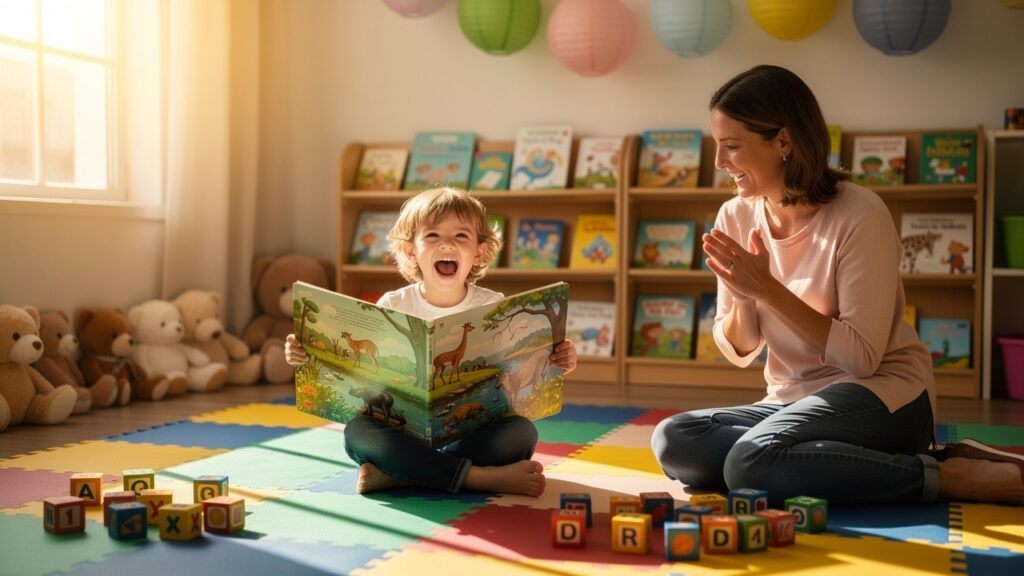
Chinese tuition programmes in Singapore now cover every stage from nursery to O-Level and Higher Chinese, which you will notice as soon as you search “Chinese tuition Singapore” online. Understanding this ladder helps you place your child at the right starting point instead of choosing a random level.
Centres such as Yu Cai Education Centre organise courses clearly by age and school band, often with extra tracks for exam years and Higher Chinese.
At preschool level, lessons focus on listening, speaking, songs, and simple character recognition so children become comfortable with Mandarin sounds. From Primary 1 to 4, programmes usually balance vocabulary, sentence patterns, and short compositions alongside schoolwork. Upper primary and secondary classes add deeper comprehension, current affairs discussion, and targeted PSLE Chinese or O-Level Chinese practice.
Here is how Yu Cai’s offerings line up across levels:
| Level | Age Group | Program Focus | Format Options |
| Preschool N2 to K2 | 4 to 6 | N2 Fun Reading And Writing; K1–K2 Fun Reading And Writing with stories, songs, listening, and character awareness | Small-group classes at Yu Cai centres, some online options |
| Primary 1 Preparation | 6 to 7 | Primary 1 Preparation bridging preschool to primary Chinese with pinyin and simple sentences | Short holiday blocks and weekly term classes |
| Primary 1 To 6 Main Programme | 7 to 12 | Primary 1–6 Comprehensive Learning covering vocabulary, comprehension, composition, oral practice, and PSLE focus | Small-group tuition, with optional one-to-one clinics |
| Higher Chinese And Creative Writing P3 To P6 | 9 to 12 | Higher Chinese for P5–P6 and Creative Writing for P3–P6 with stronger vocabulary, opinion pieces, and richer stories | Focus groups for similar ability levels |
| Secondary 1 To 4 Including Higher And Express | 13 to 16 | Sec 1–2 G2/G3 Chinese, Higher Chinese for Sec 1–4, and Express Chinese for Sec 3–4 with longer texts, essays, and O-Level-style oral tasks | Weekly group lessons and exam workshops |
Yu Cai offers these programmes for students aged 4 to 17 at centres in Woodlands, Yishun/Northpoint, Seletar Mall, and Yishun Town Square. Many parents appreciate the free trial lesson, which lets the child experience a class and gives the teacher a chance to assess the current level before you commit.
According to Harvard University’s Center on the Developing Child, early language exposure in the preschool years supports later academic skills in reading and problem solving, so starting early is a smart move. Yu Cai’s team also runs Chinese creative writing workshops, holiday camps, and school programmes with local government schools, which keeps their materials aligned with classroom expectations.
What Results Can Parents Realistically Expect From Chinese Tuition?
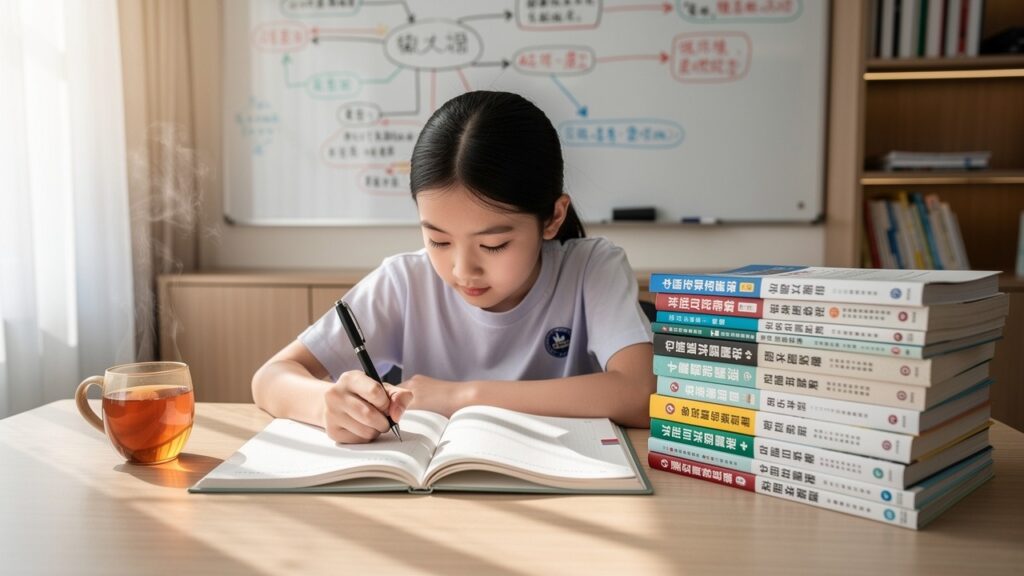
Realistic expectations from Chinese tuition help parents stay patient and consistent. With weekly lessons and homework, many children show visible gains within about three months. This might appear as higher listening scores, fewer character mistakes, or a move from barely passing to a safer band.
Over six to twelve months, bigger changes usually appear, such as stronger composition structure, richer vocabulary, and more confident oral answers. Research on second language learning from Cambridge University Press shows that regular, spaced practice supports long-term memory far better than last-minute cramming. The same idea applies to PSLE and O-Level Chinese; short, frequent exposure beats one huge revision block.
Official exam statistics from MOE show that roughly one third of candidates attain distinction in GCE O-Level Chinese in a typical year (Ministry of Education Singapore). Quality centres aim to beat this baseline while still welcoming weaker students. When a centre shares its distinction rate, ask how many children started from low or mid grades, not only those who were already strong.
Your child’s attitude and home reading habits still play a big part. A student who reads Chinese storybooks, watches Mandarin shows, or chats with grandparents in Mandarin will often progress faster than one who only uses Chinese during lessons. Tuition adds structure, feedback, and steady encouragement from someone who is not a parent, which many children accept more readily.
Tip for parents: set aside 10–15 minutes a day for light Chinese reading or conversation. Small, regular habits usually beat long weekend “catch-up” sessions.
How Parents Can Use Online Information To Shortlist Chinese Tuition Centres

For Chinese tuition centres themselves, reaching the right parents at the right time is half the battle. Most families start with a Google search like “Chinese tuition Singapore”, scroll through a few sites, then build a shortlist. This is why clear online information matters: parents need to quickly understand a centre’s programmes, locations, teaching approach, fees, reviews, and trial options.
Parents should compare centres based on transparent information rather than vague claims, especially when tuition is a long-term commitment. That level of accountability comforts owners who have wasted money with agencies that never shared clear results.
If parents cannot find clear information about a centre online, they may feel less confident about booking a trial.
For parents, useful online trust signals include real student progress stories, clear course outlines, centre locations, teacher information, parent testimonials, and easy trial lesson booking. These results suggest meaningful gains are possible for tuition centres that follow a focused, data-based approach.
For Chinese tuition centres, several service areas matter most:
- Search engine optimisation (SEO) raises your rankings for phrases parents already search. Better rankings bring steady organic enquiries, and simple reports show which keywords and pages lead to actual calls and trial bookings.
- Social media marketing keeps your brand visible on Facebook, Instagram, and Xiaohongshu. Regular posts, stories, and short videos build familiarity, while paid ads retarget parents who visited your site but did not enquire.
- Conversion-focused landing pages and analytics turn clicks into booked trials. Clear layout, strong reviews, and easy contact forms reduce doubt, and you see how every dollar of ad spend links to leads and enrolments.
Clear, parent-friendly communication helps families understand whether the centre can support their child’s current level, confidence, and exam goals. That mix of local insight, data, and accountability makes it a strong partner for Yu Cai Education Centre and other tuition brands that want consistent, high-quality enquiries.
The Right Chinese Tuition Choice Starts With One Decision
Choosing the right Chinese tuition centre in Singapore means matching teacher quality, curriculum, class size, teaching style, and honest results tracking. When those pieces line up, your child gains not only better grades but also the confidence to speak, read, and write Chinese in daily life.
If you are still exploring options, a free trial lesson at Yu Cai Education Centre can quickly show whether your child feels comfortable and supported. If you are still exploring options, a free trial lesson at Yu Cai Education Centre can quickly show whether your child feels comfortable and supported.
Frequently Asked Questions
Question: How much does Chinese tuition in Singapore typically cost?
Answer: Fees vary by level and centre. Many group primary classes sit in the low hundreds of dollars per month, while secondary and one-to-one lessons usually cost more.
Question: Is online Chinese tuition as effective as in-person classes?
Answer: Yes. Well-run online Chinese tuition can match in-person classes when lessons are live, interactive, and led by experienced tutors using good digital tools and materials.
Question: At what age should my child start Chinese tuition?
Answer: Many families start light Chinese tuition from around ages three to four, especially when Mandarin is not used at home. Early exposure makes later PSLE Chinese work less stressful.
Question: What is the difference between Higher Chinese and Standard Chinese tuition?
Answer: Higher Chinese tuition covers tougher vocabulary, longer texts, and essays that expect stronger opinions about issues. Standard Chinese focuses on the main MOE syllabus and core exam requirements.
Question: How do I know if a tuition centre is delivering real results?
Answer: Look for clear progress reports, steady grade improvement, and honest exam statistics, not only glossy marketing claims. You should see your child’s confidence, homework quality, and test scores improving over a period of months.