
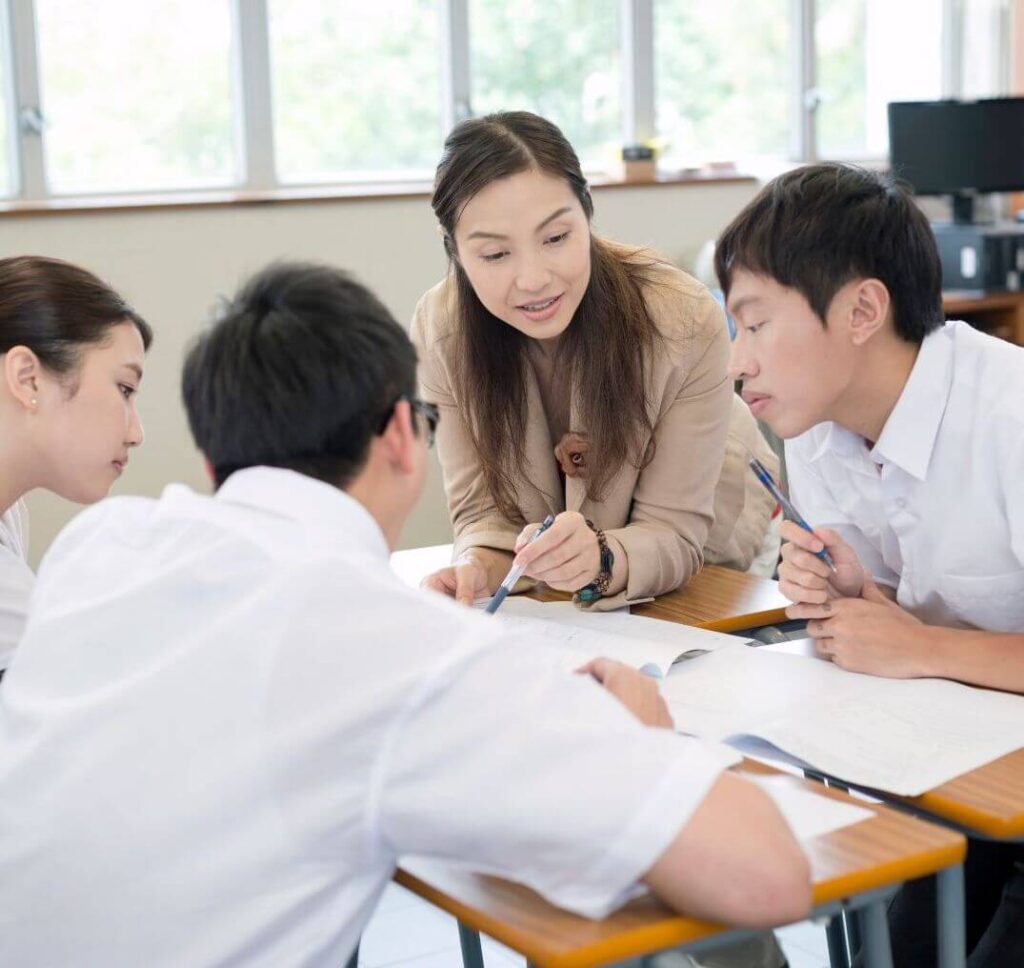
Many children in Singapore feel nervous when asked to read Chinese aloud, answer oral questions, or write composition. For shy learners, the issue is not always ability. Often, they need more time, smaller steps, and a calmer space to practise without fear of making mistakes.
Chinese tuition can help when lessons build vocabulary, sentence confidence, oral fluency, and writing skills in a structured way. Yu Cai Education Centre supports children aged 4 to 17 through Chinese programmes for preschool, primary, secondary, Higher Chinese, creative writing, and exam preparation, with centres in Woodlands, Yishun, Seletar, and Yishun Town Square.
Why Shy Learners Struggle With Chinese
Shy children often struggle with Chinese because they are afraid of being wrong in front of others. This can happen when they:
- Do not know enough vocabulary
- Cannot recognise characters quickly
- Feel unsure about pronunciation
- Speak mostly English at home
- Find composition topics difficult
- Avoid oral practice because they feel embarrassed
Over time, this becomes a cycle. The child avoids Chinese, gets less practice, falls further behind, and becomes even more anxious.
A supportive Chinese tuition class breaks this cycle by giving the child repeated chances to practise in a safe setting. Instead of asking the child to “just speak more,” the teacher guides them through small, manageable steps.
How Chinese Tuition Builds Confidence
Vocabulary Comes First
A child cannot speak, read, or write well without enough words. Strong Chinese tuition begins by helping students understand useful vocabulary in context.
This may include:
- Reading short passages
- Learning words through stories
- Using phrases in sentences
- Practising common oral topics
- Reusing new words in composition
Yu Cai’s programmes are designed to make Chinese learning fun, engaging, and customised for different learners, with a focus on helping children build confidence throughout their language journey.
Oral Practice Must Feel Safe
Shy learners need oral practice that does not feel like public pressure. A good teacher may start with short answers, guided reading, picture description, or partner practice before moving to fuller responses.
This helps the child learn:
- How to pronounce words more clearly
- How to answer in complete sentences
- How to organise thoughts before speaking
- How to respond without freezing
Confidence grows when the child sees that mistakes are part of learning.
Composition Needs Clear Structure
Many children say Chinese composition is “impossible” because they do not know how to begin. A structured class teaches them how to plan before writing.
Useful writing support includes:
- Story outlines
- Opening and ending phrases
- Character and setting words
- Common connectors
- Sentence expansion
- Model compositions with explanation
Yu Cai offers creative writing programmes for Primary 3 to Primary 6, alongside comprehensive primary-level Chinese courses.
Which Chinese Programme Fits Your Child?
Preschool Learners
Preschool children need exposure, not pressure. Lessons should use stories, songs, pictures, listening, simple characters, and fun activities.
Yu Cai offers N2 Fun Reading and Writing, K1–K2 Fun Reading and Writing, and Primary 1 preparation programmes for younger learners.
Primary School Learners
Primary students need stronger reading, vocabulary, oral, comprehension, and composition support. They also need help keeping pace with school expectations.
Yu Cai provides comprehensive Chinese learning programmes from Primary 1 to Primary 6, as well as Higher Chinese for Primary 5 and Primary 6.
Secondary School Learners
Secondary students often need help with longer passages, deeper vocabulary, oral confidence, and more mature writing. Yu Cai offers G2/G3 Chinese for Secondary 1 and 2, Higher Chinese for Secondary 1 to 4, and Express Chinese for Secondary 3 to 4.
How Parents Can Support a Shy Learner at Home
Parents do not need to become Chinese teachers. Simple habits can help:
- Read short Chinese books together
- Watch short Mandarin videos with subtitles
- Praise effort, not only marks
- Let the child answer in short Mandarin phrases
- Avoid laughing at pronunciation mistakes
- Ask the teacher which words to revise weekly
The goal is to make Chinese feel normal, not frightening.
FAQ
What is the best Chinese tuition for shy learners in Singapore?
The best Chinese tuition for shy learners provides small steps, patient correction, regular oral practice, vocabulary support, and clear writing frameworks. The environment should help the child feel safe enough to try.
When should my child start Chinese tuition?
Children can start from preschool if they need early exposure. For academic support, many parents begin during lower primary before gaps in vocabulary, reading, and writing become harder to close.
Can Chinese tuition help with oral confidence?
Yes. Regular guided speaking practice helps children become more comfortable reading aloud, answering questions, and forming complete Mandarin responses.
Does Yu Cai offer Chinese tuition for different levels?
Yes. Yu Cai offers Chinese programmes for children aged 4 to 17, including preschool, primary, secondary, Higher Chinese, creative writing, and exam-focused learning across several Singapore locations. (yucai.com.sg)