
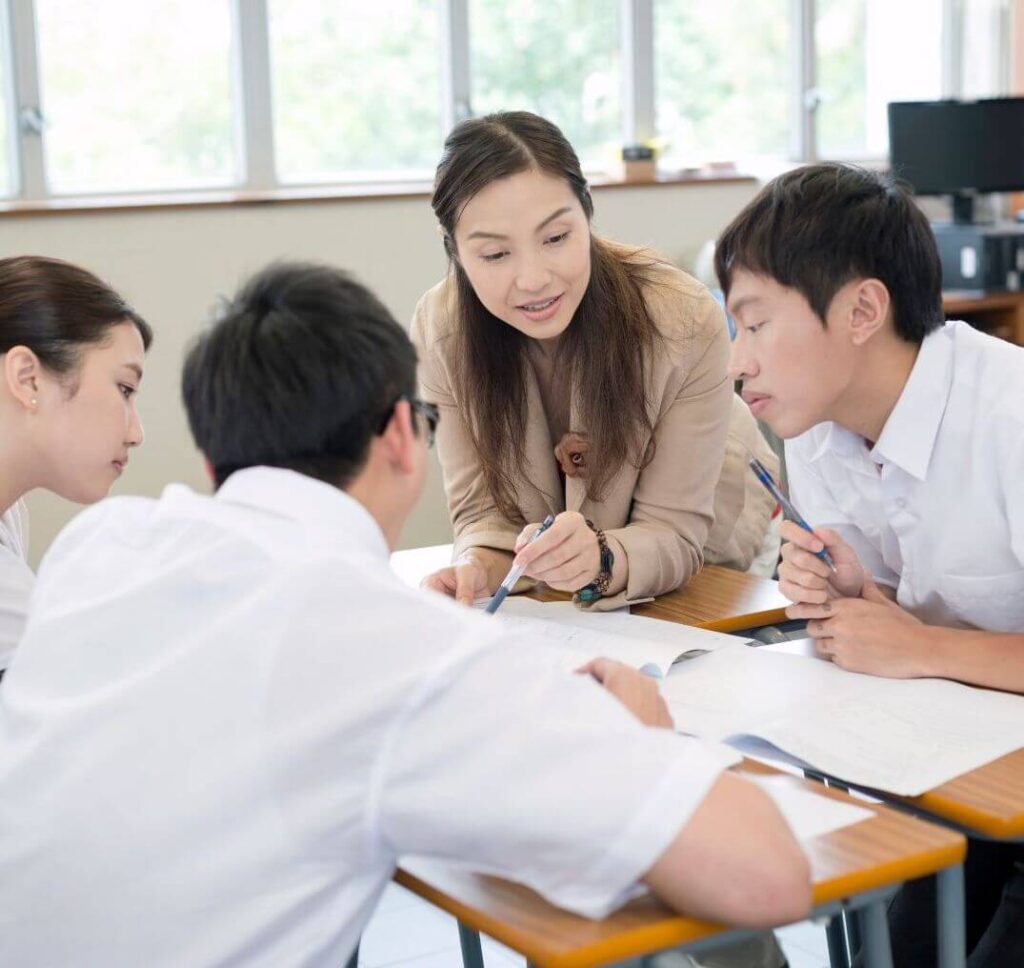
PSLE Chinese often pulls down an otherwise strong report card, even when a child works hard and listens in class. Many parents only start searching for PSLE Chinese tuition after mock exam marks fall.
With so many centres across Singapore, it can be hard to decide which one really helps. The most helpful programme is usually not a famous brand, but a small, MOE‑aligned class that fits your child, covers all four papers and shows clear progress.
A strong PSLE Chinese centre teaches writing, comprehension, oral and listening skills, uses regular mock papers, gives detailed feedback and keeps classes small so every student speaks. Yu Cai Education Centre follows this approach for primary students in North Singapore, with a structured path from P1 to P6 and Higher Chinese options. This guide explains why PSLE Chinese feels tough, what quality tuition looks like, how class size affects results, and how to tell if Yu Cai suits your child.
Read on to see how to choose the right Chinese Tuition PSLE support before the next school term.
Key Takeaways
- PSLE Chinese has four papers testing writing, comprehension, oral and listening. They combine into one grade, so weakness in a single paper can pull the whole score down.
- Starting Chinese Tuition PSLE support by Primary 4 gives time for steady vocabulary growth instead of last‑minute cramming and keeps confidence up as school passages get harder.
- Small class sizes mean every child speaks, reads aloud and has work reviewed closely. Real‑time correction stops bad habits from settling in, which lifts oral and composition marks.
- A good PSLE Chinese programme matches your child’s current band and learning style. Stronger students need extension work, while those who struggle need clear steps, revision and patient teachers who fill gaps instead of rushing.
- Yu Cai Education Centre runs fun, structured Chinese lessons from preschool to secondary across North Singapore. Free trial lessons at Woodlands, Yishun Northpoint, Seletar Mall and Yishun Town Square let families see if the fit is right.
Why PSLE Chinese Is So Challenging for Singapore Students
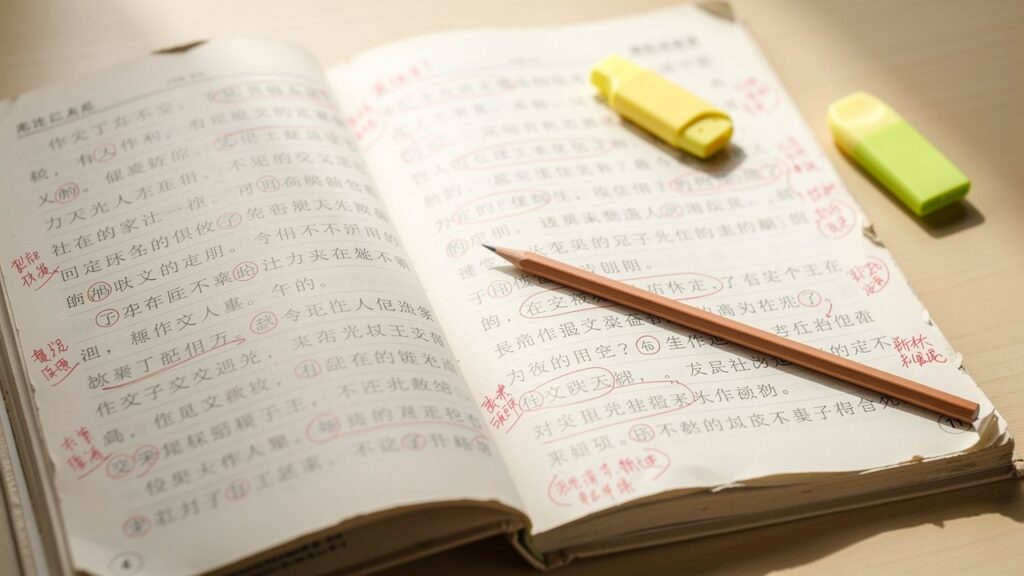
PSLE Chinese feels hard for many Singapore students because it combines four papers, a heavy vocabulary load and full weight in the overall PSLE score. For children who use English most of the time at home, this quickly becomes a steep climb without focused help, so many families add PSLE Chinese tuition from Primary 4 onward.
The exam covers writing, language use and comprehension, oral communication and listening comprehension, and each needs a different type of training. A child who writes lively compositions may still freeze during oral or miss key ideas during listening. According to MOE Singapore, Primary 4 students are expected to handle more than 1,200 Chinese characters, with another 500–600 introduced by Primary 6, a heavy load for children who do not use Mandarin daily — a challenge explored in research illuminating the shadows cast by supplementary tutoring on student math performance in PISA 2022. By Primary 6, pupils must complete all four papers within the same exam period, which adds time pressure.
PSLE uses an Achievement Level (AL) system, and Chinese counts just as much as English, Math or Science. The Singapore Examinations and Assessment Board notes that each subject contributes one AL band to the final score, so a weak Mother Tongue grade can limit secondary school choices even when other subjects are strong. Many students feel this pressure early, which can lead to fear around Chinese, less practice and a slide in confidence. Parents see a gap between effort and results, which feels discouraging without outside support.
What a Quality PSLE Chinese Tuition Programme Should Cover
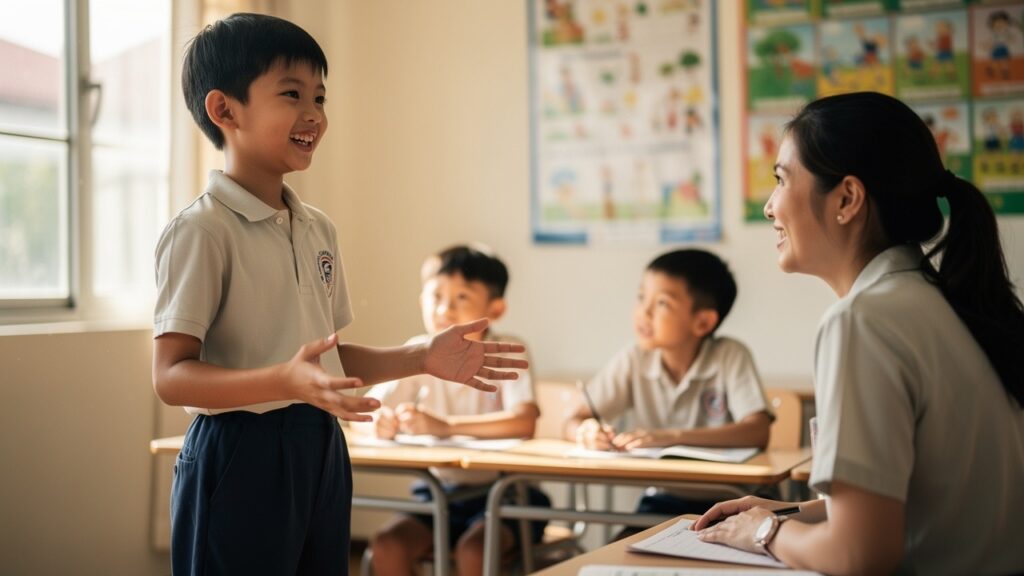
A quality PSLE Chinese tuition programme trains students across all four papers, not just composition or vocabulary drills. Parents should see clear support for writing, language use, oral skills and listening skills in every term plan. When these areas move together, marks and confidence usually rise together too.
To judge any Chinese Tuition PSLE class, it helps to see how lessons link to each exam paper. The outline below shows what strong preparation usually includes.
| PSLE Paper | Main Focus | What Strong Tuition Adds |
| Paper 1 Writing | Story or situational writing | Brainstorming methods, model plots, rich phrases and timed practice with feedback |
| Paper 2 Language Use and Comprehension | Vocabulary, grammar and passage understanding | Question‑type spotting, annotation habits, MCQ tactics and short‑answer structures |
| Paper 3 Oral Communication | Fluent reading and conversation | Regular reading aloud, picture‑discussion frames and topical conversation practice |
| Paper 4 Listening Comprehension | Understanding spoken texts | Focused listening drills, note‑taking and checking of answer clues |
A full programme also uses regular mock exams across all four papers, followed by careful review with the student.
The Education Endowment Foundation reports that high‑quality feedback can lead to several months of extra academic progress over a year, a finding consistent with research on the heterogeneous treatment effects of private tutoring on student outcomes across individual, family and school factors.
That shows why detailed marking matters so much. Good centres send home corrected papers with clear comments, and teachers explain common mistakes in class so students know exactly how to gain marks next time.
How Yu Cai Education Centre Prepares Students for PSLE Chinese
Yu Cai Education Centre prepares PSLE Chinese students with a clear, level‑based path from preschool to secondary school. Children can start with N2 Fun Reading and Writing or K1–K2 Fun Reading and Writing, then move into Primary 1 Preparation and Primary 1–6 Comprehensive Learning classes. Upper primary students who need more stretch can join Higher Chinese for P5–P6 or Creative Writing for P3–P6, while secondary learners continue with Secondary 1–2 G2/G3 Chinese, Higher Chinese for Sec 1–4 or Express Chinese for Sec 3–4.
In class, Yu Cai’s progressive curriculum mixes story‑based reading, oral practice, games and short writing tasks so lessons feel fun and engaging even for reluctant speakers. Small group teaching gives space for each child to read aloud, ask questions and receive specific feedback that builds confidence. Programmes are customised to students’ current levels, so children who struggle can strengthen basics while stronger students tackle more demanding work. Parents can book free trial lessons at the Woodlands, Yishun Northpoint, Seletar Mall and Yishun Town Square branches to see how their child responds.
Why Class Size Makes or Breaks PSLE Chinese Results
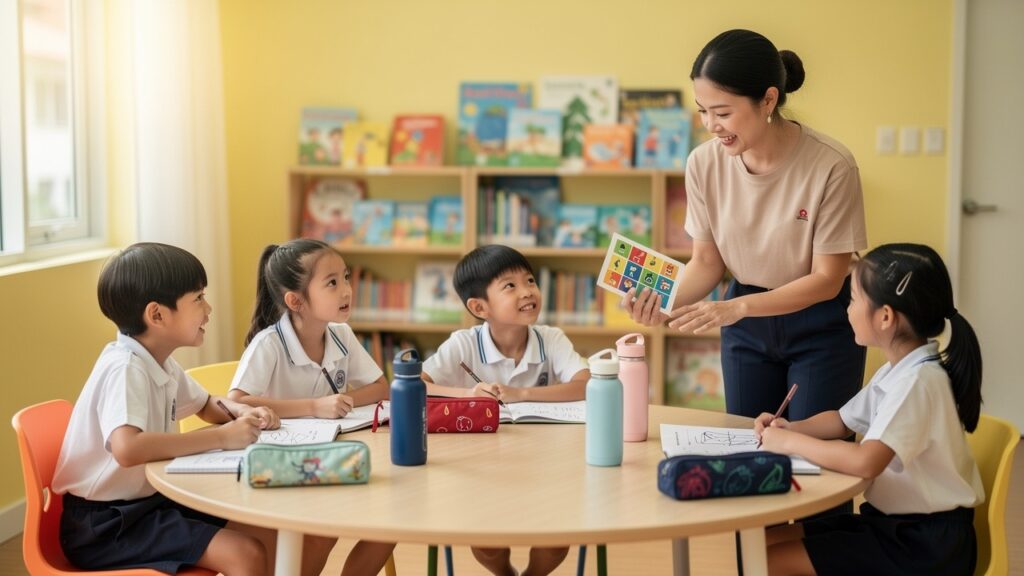
Class size affects PSLE Chinese results because language needs active practice, not just listening to a teacher. In a big class, many students can hide, stay quiet and never get their mistakes corrected.
In typical school settings with 30–40 pupils, a child may finish a whole week without once reading aloud or having a composition checked in detail — a gap that research on mediated effects of learning strategies shows can significantly reduce exam performance when left unaddressed. In a small‑group Chinese Tuition PSLE class with about six students, every child reads, answers questions and hands in writing almost every lesson.
- Small groups support oral and listening skills. The teacher hears every student’s reading and picture discussion, so pronunciation and expression errors are fixed on the spot. This frequent correction builds fluency and clear speech for the PSLE oral paper.
- Class size also shapes confidence for children from English‑speaking homes. In a gentle group of five or six, students feel safer to try new phrases, make mistakes and laugh them off. Centres such as Yu Cai Education Centre often record mock oral sessions and share them with parents, so families can hear progress and support practice at home.
Smaller classes also change how compositions are marked. Instead of one quick tick on each page, the teacher can sit with a child, point out weak descriptions and help replace simple words with richer phrases. Over months, that kind of personal coaching adds up to stronger writing marks in the actual PSLE paper.
When to Start and What to Look for in a Chinese Tuition Centre
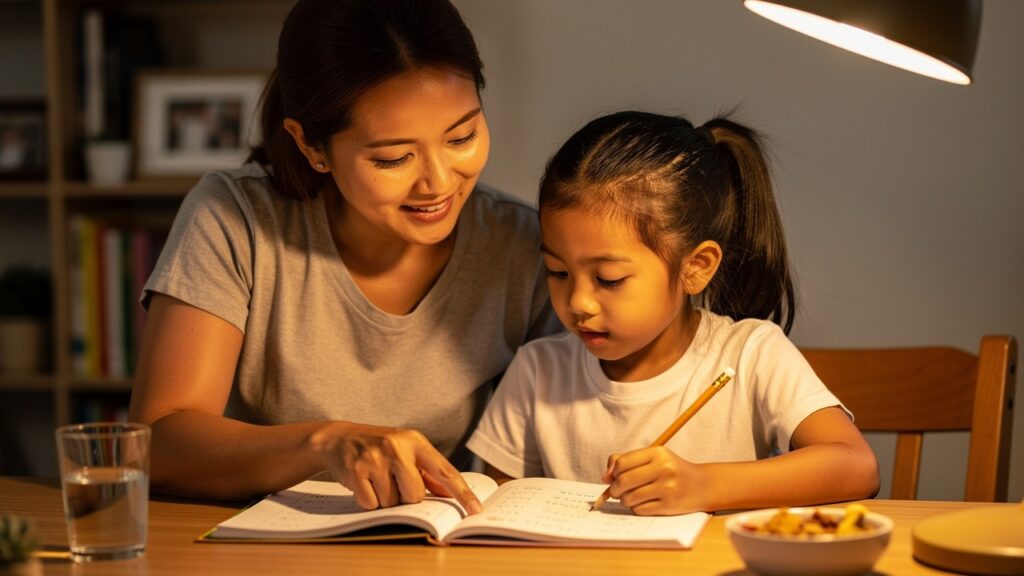
The best time to start focused PSLE Chinese preparation is usually by Primary 4, while centre selection should follow clear, practical checks. Parents who plan timing and centre choice together give their child a steadier runway toward the exam.
Primary 4 gives enough time to build vocabulary, composition habits and oral fluency without exam panic. Primary 5 entry still works well when lessons are weekly and consistent, while mid‑Primary 6 intake is most helpful for targeted exam technique and confidence building.
The Harvard Center on the Developing Child highlights that young brains form more than one million new neural connections every second in the early years, which is why consistent language exposure from preschool to lower primary pays off later.
When comparing centres, parents can use these checks:
- Look for a curriculum that follows the MOE syllabus closely and covers all four PSLE papers. Centres such as Yu Cai Education Centre design materials around school requirements, and their native Mandarin teachers know current expectations and exam trends. Ask to see sample worksheets and composition tasks to check that they match your child’s level.
- Check the real class size for your child’s time slot, not just a number on a poster. Small groups allow more speaking time, faster correction and detailed marking of compositions. Regular mock exams with post‑paper review are a strong sign that the centre takes PSLE preparation seriously.
- A clear website, prompt WhatsApp replies and simple sign‑up forms show that the centre respects parents’ time. Tuition centres with transparent online information often gain more serious enquiries because parents feel informed before they step in. Yu Cai Education Centre, for example, offers free trials at its Woodlands, Yishun Northpoint, Seletar Mall and Yishun Town Square outlets, which makes it easy to see if the fit feels right.
Locking In Your Child’s PSLE Chinese Success Starts Here
PSLE Chinese success usually comes from an early start, a centre that fits your child and steady weekly practice across all four papers. Small classes, regular feedback and a fun, confidence‑building approach make it far easier for children to keep up with the MOE syllabus.
If you are unsure whether your child needs extra support, book a free trial lesson at a nearby Yu Cai Education Centre branch and see how they respond before the next school term.
Frequently Asked Questions
Question: What is the best time to start PSLE Chinese tuition?
Answer: The best time to start PSLE Chinese tuition is Primary 4. It gives enough space for vocabulary, writing and oral practice before the exam.
Question: How many papers are in the PSLE Chinese exam?
Answer: The PSLE Chinese exam has four papers. They are Writing, Language Use and Comprehension, Oral Communication and Listening Comprehension.
Question: Is Chinese tuition suitable for students from English‑speaking families?
Answer: Yes, Chinese tuition especially helps students from English‑speaking families. It provides steady Mandarin exposure, guided practice and confidence building that home use alone cannot give.
Question: Does class size really matter for Chinese tuition?
Answer: Yes, class size matters a lot for Chinese tuition. Small groups create more speaking chances and detailed marking, which usually lift oral and writing scores.
Question: Where are Yu Cai Education Centre’s locations in Singapore?
Answer: Yu Cai Education Centre has centres at Woodlands, Yishun Northpoint, Seletar Mall and Yishun Town Square. Free trial lessons are available at all locations.