
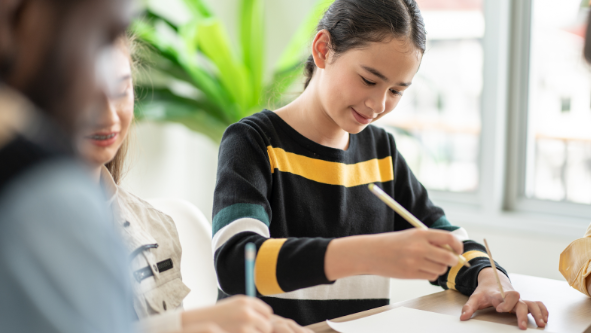
At Yu Cai Education Centre, we offer preschool Chinese tuition in Singapore that ignites early language skills in your child. Our play-based learning curriculum delivers cognitive benefits and boosts social skills confidence through engaging storytelling, songs, and character recognition, helping young learners excel in listening skills, reading, and speaking. With expert tutors at multiple locations, parents trust us for proven, lasting success in Mandarin. Join us today!
Key Takeaways:
- Early Chinese tuition exposes preschoolers to Mandarin sounds and tones, sharpening listening skills and cognitive skills development for lifelong fluency language advantages.
- Play-based learning methods like songs, rhymes, and games make language learning fun, boosting pronunciation skills, character recognition, and speaking confidence effortlessly.
- Expert tutors at centers like Yu Cai Education Centre use storytelling and interactive activities to build foundational early literacy, social skills, and composition writing readiness in young learners.
The Advantages of Early Language Exposure for Children

Early language exposure through preschool Chinese tuition at Yu Cai Education Centre offers huge advantages for children, kickstarting language acquisition and cognitive benefits that boost fine motor skills and social skills in a fun way. Singapore parents often choose programmes like yuexuele programme, N1 programme, or N2 programme for their focus on preschool chinese enrichment. These options build a strong foundation in Mandarin from a young age.
Interactive methods in these Chinese tuition classes engage young learners through play-based learning, such as songs and games that teach hanyu pinyin and basic vocabulary building. This approach enhances listening skills and pronunciation while fostering cultural awareness. Children gain confidence in speaking Chinese naturally.
Parents appreciate how these programmes support overall child brain development by strengthening neural pathways during peak neuroplasticity periods. For instance, tracing character strokes improves fine motor skills alongside character recognition. It also prepares kids for primary school Chinese with age-appropriate activities.
Choosing Yuexuele or N1/N2 programmes means MOE-registered teachers deliver structured curriculum lessons in small class sizes. This setup promotes speaking confidence through group discussions and personalized feedback. Singapore parents see long-term gains in cognitive flexibility and social skills.
The Cognitive Benefits of Early Chinese Learning for Kids
Early Chinese learning at our centre unlocks cognitive benefits like enhanced brain development and neuroplasticity, helping kids build memory retention and cognitive flexibility through fun practice of character strokes and stroke order.
Preschoolers have highly adaptable brains, so preschool Chinese tuition in Singapore taps into this by using play-based learning. Kids trace strokes while singing songs, which strengthens neural pathways for language acquisition. This approach makes character recognition feel like a game, not a chore.
Our Chinese tuition classes focus on interactive activities that boost fine motor skills and listening skills. For example, children match hanyu pinyin sounds to pictures during group play. This builds vocabulary building foundations early on.
Through consistent exposure, young learners gain cognitive skills like better focus and problem-solving. Parents in Singapore notice improved speaking confidence as kids mimic sentence structure in daily chats. These gains prepare them for primary school Chinese seamlessly.
Boosting Social and Communication Skills Through Chinese Language Learning
Chinese language learning at Yu Cai Education Centre boosts social skills and oral skills by building speaking confidence and oral fluency through engaging group discussions and public speaking activities tailored for young learners.
These Chinese classes create a supportive space where preschoolers practice simple greetings and share stories in speaking Chinese. Kids learn to express ideas clearly, which strengthens their bonds with peers.
Group discussions encourage turn-taking and active listening, key elements of social growth. Public speaking moments, like reciting rhymes, help children overcome shyness and gain poise.
Through play-based learning, young learners develop cultural awareness alongside Chinese language skills. This approach fosters lifelong fluency and confidence in speaking Chinese.
Building Confidence in Speaking
Building confidence in speaking starts with our small class sizes where kids practice oral fluency through interactive activities and get personalized feedback from MOE-registered teachers.
Children engage in role-play scenarios, such as pretending to shop or visit a park, using basic Mandarin phrases. Teachers offer gentle corrections, helping each child improve at their pace.
Interactive activities like song circles and puppet shows make speaking fun and low-pressure. This builds speaking confidence gradually, preparing kids for primary school Chinese.
Personalized feedback focuses on strengths first, then gentle guidance on areas like sentence structure. Parents notice their child’s eagerness to chat in Chinese at home.
Improved Pronunciation
Improved pronunciation skills come alive with Hanyu Pinyin lessons and listening comprehension exercises that make Chinese language natural and fun for preschoolers.
Daily drills involve repeating sounds after teachers, using games with picture cards. Kids master tones through fun rhymes, like “māma” versus “màma”.
Listening comprehension activities, such as audio stories followed by echo practice, sharpen ear for accurate sounds. This integrates with vocabulary building for better recall.
Consistent daily practice habits in class reinforce neural pathways for clear speech. Children gain confidence in pronunciation, setting a strong base for PSLE Chinese PSLE preparation.
Our Chinese Curriculum for Preschoolers
Our Chinese curriculum for preschoolers at Yu Cai Education Centre features a structured curriculum aligned with the MOE syllabus, delivered by expert tutors in age-appropriate programs across convenient locations in Singapore.
Classes at our Bedok Reservoir Rd and Balestier Road centres emphasize play-based learning to foster early language development. Small class sizes allow for personalized feedback, helping young learners build vocabulary building and speaking confidence.
MOE-registered teachers integrate hanyu pinyin, character recognition, and interactive activities into daily sessions. This approach supports brain development and listening skills, preparing children for primary school Chinese.
Singapore parents appreciate our focus on language acquisition through fun methods like songs and stories. Convenient locations make it easy to fit preschool Chinese tuition into busy schedules, promoting early literacy and language development.
Storytelling and Imagination
Storytelling and imagination spark vocabulary building and comprehension strategies, making Chinese language learning an exciting adventure for young learners.
In our play-based learning sessions, children listen to tales about traditional festivals or animal friends. This builds listening comprehension and encourages them to retell stories, boosting oral fluency.
Expert tutors use puppets and props to ignite imagination, linking words to visuals for better memory retention. Activities like group discussions help develop sentence structure and cultural awareness.
Through these methods, preschoolers gain speaking confidence and prepare for primary 1 challenges. Parents see real progress in their child’s Chinese language skills and enthusiasm for Chinese enrichment classes.
Songs, Rhymes, and Games
Songs, rhymes, and games in our Chinese classes kids use play-based learning and interactive methods to make Mandarin fun and memorable for kids.
Children sing simple tunes about colors or family while clapping rhythms, sharpening pronunciation skills. Rhymes reinforce hanyu pinyin sounds, aiding language mastery through repetition.
Games like matching cards or treasure hunts build listening skills and cognitive flexibility. These activities enhance social skills in small groups, making Chinese tuition classes enjoyable.
Age-appropriate programs focus on neuroplasticity during early years, strengthening neural pathways for lifelong fluency. Kids leave with daily practice habits that support their Chinese learning journey.
Character Recognition and Writing Readiness
Character recognition and writing readiness focus on character strokes and stroke order to develop fine motor skills early on.
Young learners trace simple characters like 人 or 山 on sand trays, building muscle memory. This playful tracing improves cognitive skills and hand-eye coordination.
Lessons introduce stroke order through guided practice with crayons, preparing for primary school Chinese. Interactive activities like stroke puzzles make recognition engaging.
Our structured curriculum links Chinese characters to stories, enhancing comprehension strategies and early literacy. This foundation supports future PSLE preparation and composition writing.
Why Singapore parents Trust Our Chinese Preschool for Early Chinese Learning Exam Success
Singapore parents trust Yu Cai Education Centre’s Chinese preschool for early learning success because of our track record in PSLE success, PSLE preparation, and building lifelong fluency with MOE-registered teachers.
Many choose us for our focus on small class sizes that allow personalized attention during Chinese tuition classes. This approach helps young learners build Hanyu Pinyin and Chinese characters recognition early on. Parents see real progress in their child’s speaking confidence and listening skills.
Our programs align with the Ministry of Education (MOE) syllabus, preparing kids for Primary school Chinese and beyond, including PSLE Chinese. We emphasize play-based learning to boost brain development and Mandarin acquisition. Singapore parents value how we foster oral fluency through daily practice habits.
From preschool Chinese enrichment to higher chinese programmes, our age-appropriate programs support the entire Chinese learning journey. Kids gain mandarin proficiency for Primary 1 and express chinese tracks. This leads to strong composition writing and comprehension strategies for long-term success.
Experienced and Caring Educators
Our experienced and caring educators are expert tutors and MOE-registered teachers who provide personalized feedback to every child.
These teachers specialize in Chinese enrichment classes, focusing on pronunciation skills and character strokes. They guide children through stroke order with hands-on practice. This builds fine motor skills alongside early literacy.
In small groups, educators offer tailored advice on vocabulary building and sentence structure. They encourage group discussions to develop public speaking and social skills. Parents notice improved listening comprehension from this dedicated support.
Our tutors track progress in language development, preparing for PSLE preparation and secondary school Chinese. They instill cultural awareness through stories and songs. This creates a strong foundation for language mastery and cognitive flexibility.
Engaging, Play-Based Curriculum
Our engaging, play-based curriculum uses interactive activities to power Chinese enrichment classes that kids love.
Children learn Chinese language skills through games that teach hanyu pinyin and character recognition. For example, they trace character strokes with finger painting. This fun method enhances memory retention and neuroplasticity.
Interactive methods include songs for pronunciation skills and role-play for speaking Chinese. These activities strengthen oral skills and listening skills. Kids build vocabulary building naturally while enjoying the process.
The structured curriculum follows the Yuexuele programme, aligning with MOE syllabus for primary school. Play supports cognitive benefits like neural pathways for language acquisition. This sets up psle success and lifelong fluency through convenient locations for preschool Chinese tuition.
How to Support the Four Key Areas of Language Development in Mandarin
Supporting the four key areas of language development in Mandarin—listening, speaking, reading, and writing—starts with targeted practices like listening comprehension and sentence structure at our centre.
Our preschool Chinese tuition programs use play-based learning to nurture these skills. Young learners engage in interactive activities that make language fun and natural. This approach aligns with the MOE syllabus for early language acquisition.
Small class sizes allow MOE-registered teachers to provide personalized feedback. Children build speaking confidence through group discussions and daily practice. Parents in Singapore value this structured path to primary school Chinese readiness.
We focus on hanyu pinyin for pronunciation skills and vocabulary building. These elements support brain development and neural pathways during the peak of neuroplasticity. Early efforts lead to lifelong fluency and cultural appreciation.
Listening: Input is Everything
Listening is everything for input in Mandarin, with our listening comprehension and listening skills activities building a strong base.
Children absorb sounds, tones, and rhythms through interactive methods like songs and stories. This input strengthens neural pathways for language recognition. Expert tutors guide young learners with age-appropriate N1 programme and N2 programme.
In our Chinese tuition classes, kids practice with audio games that boost memory retention. Repeated exposure helps with pronunciation skills and oral fluency. Singapore parents see gains in cognitive skills from these sessions.
Play-based learning turns listening into play, fostering cognitive flexibility. Activities mimic real conversations for natural acquisition. This foundation prepares for PSLE Chinese and beyond.
Reading: Building Literacy One Character at a Time
Reading builds literacy one Chinese character at a time, using character recognition to foster early literacy skills.
Our preschool Chinese enrichment introduces character strokes and stroke order through hands-on tasks. Children trace and match characters in fun exercises. This develops fine motor skills alongside early literacy.
Hanyu pinyin supports reading by linking sounds to visuals. Group activities encourage comprehension strategies for simple texts. Structured curriculum follows MOE syllabus for seamless progression to Primary 1.
Interactive stories build vocabulary building and cultural awareness. Teachers offer personalized feedback to reinforce learning. These steps enhance cognitive benefits and set the stage for PSLE preparation.
Frequently Asked Questions about Chinese Preschool Tuition
Frequently asked questions about Chinese preschool tuition at Yu Cai Education Centre cover everything from PSLE Chinese prep to our Primary School Chinese programs at convenient locations like Balestier Road and Bedok Reservoir Rd.
Parents often wonder how early language acquisition starts with hanyu pinyin and character recognition. Our preschool Chinese tuition uses play-based learning to build listening skills and pronunciation skills for young learners.
For older kids, we connect preschool Chinese enrichment to MOE syllabus goals like vocabulary building and sentence structure. This sets a strong base for Primary 1 success and beyond.
Explore these common queries below to see how our small class sizes, MOE-registered teachers, and interactive activities support your child’s Chinese learning journey.
What age is best to start Chinese preschool tuition?
The ideal time for preschool Chinese tuition is during the neuroplasticity peak in early years, often around Nursery 1, Nursery 2, Kindergarten 1, and Kindergarten 2. This period boosts brain development through language development and cognitive skills like memory retention.
At Yu Cai, age-appropriate programs introduce hanyu pinyin via songs and games. Young learners gain speaking confidence and oral fluency before Primary School Chinese.
Starting early fosters character strokes practice and stroke order, easing the shift to primary school. Singapore parents see lasting mandarin proficiency from this foundation.
Our yuexuele programme at Balestier Road uses interactive methods for fun early literacy gains.
How does preschool tuition prepare for PSLE Chinese?
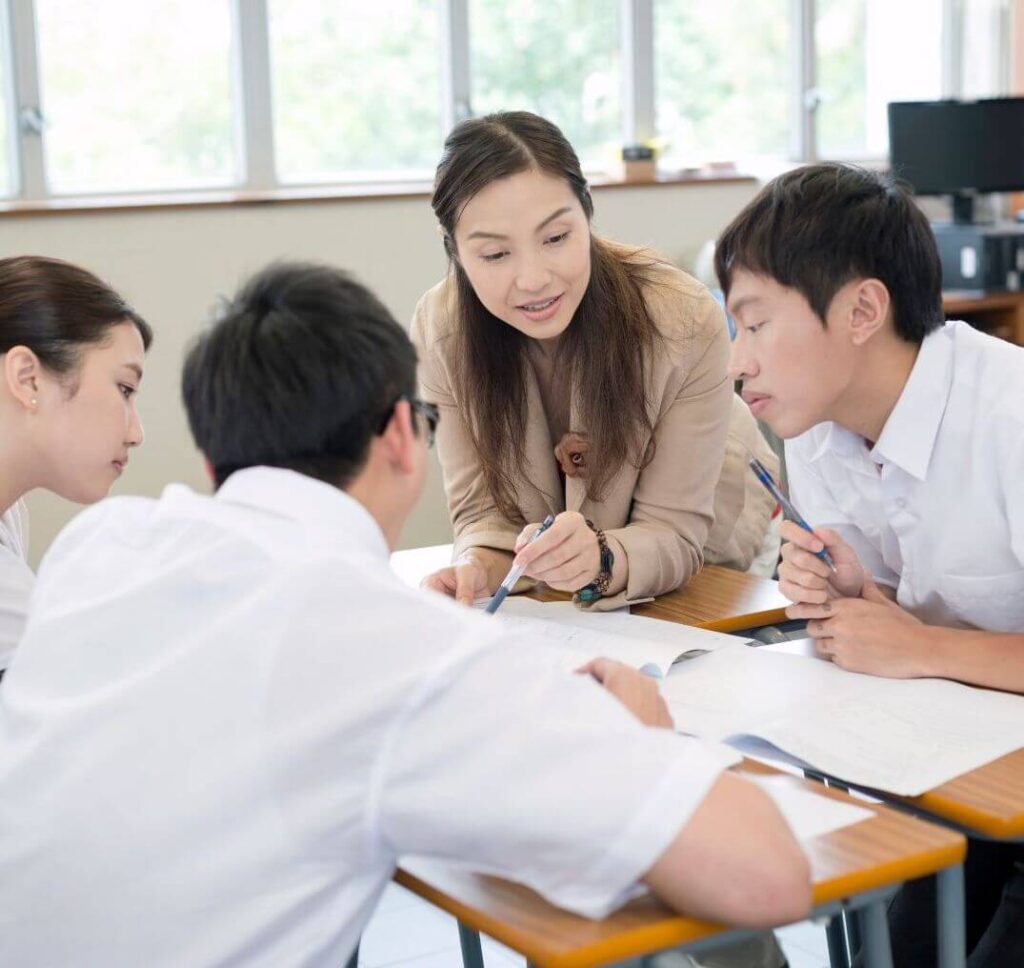
Preschool Chinese tuition lays groundwork for PSLE Chinese by focusing on listening comprehension and comprehension strategies. It builds neural pathways for future composition writing and oral skills.
Yu Cai’s structured path links play-based learning to PSLE preparation, covering vocabulary building and character recognition. Kids progress smoothly to Primary School Chinese with personalized feedback.
Expert tutors emphasize daily practice habits for exam success. This early start enhances cognitive flexibility and fine motor skills needed for PSLE success.
Locations like Bedok Reservoir Rd offer seamless transition to higher Chinese programmes.
What makes Yu Cai’s Chinese classes different?
Yu Cai stands out with small class sizes and group discussions that boost social skills and public speaking. Our Chinese enrichment classes blend cultural appreciation with language mastery.
Interactive activities like role-play improve speaking Chinese and sentence structure. MOE-registered teachers align lessons to the MOE syllabus for lifelong fluency.
From preschool Chinese enrichment to express Chinese and secondary school chinese, we provide a full Chinese language learning path. Parents value our convenient locations and structured curriculum.
Children develop cognitive benefits through Chinese classes kids love, ensuring steady progress in Singapore tuition.
Do you offer programs for Primary School Chinese?
Yes, our Primary School Chinese programs build on preschool foundations with listening skills and oral fluency drills. They prepare for Primary 1 challenges like character strokes.
Chinese tuition classes use personalized feedback for vocabulary building and comprehension strategies. This supports PSLE Chinese and higher Chinese readiness.
At Yu Cai, Singapore tuition includes cultural appreciation via stories and games. Expert tutors foster speaking confidence in convenient locations like Orchard, Bedok, Jurong, Tampines, and Boon Lay.
Enrich Chinese language skills with our proven approach for steady language development, covering Primary 2, Primary 3, Primary 4, Primary 5, and Primary 6 leading to O-level and O-Level Chinese.
Frequently Asked Questions
How Chinese Tuition for Preschool (Nursery 1, Nursery 2) Builds Early Language Recognition Skills
Chinese tuition for preschool at Yu Cai Education Centre uses interactive games, songs, and visual aids to help children recognize Chinese characters, Hanyu Pinyin tones, and Mandarin vocabulary early on. This immersive approach strengthens phonemic awareness and pattern recognition, laying a strong foundation for language skills.
What Age Group Benefits Most from Chinese Tuition for Preschool in Building Early Language Recognition Skills?
Children aged 3 to 6 years old benefit the most, as their brains are highly receptive to new languages. Yu Cai’s preschool programs tailor activities to this developmental stage, enhancing recognition of Chinese sounds, characters, and simple phrases through play-based Primary school learning.
How Chinese Tuition for Preschool Builds Early Language Recognition Skills Through Unique Methods at Yu Cai
Yu Cai employs expert tutors who use proprietary storytelling, flashcards with animations, and multisensory techniques to boost recognition skills. These methods make learning engaging, helping preschoolers (Kindergarten 1, Kindergarten 2) quickly identify Chinese radicals, tones, and sentence structures.
Why is Early Language Recognition Crucial, and How Chinese Tuition for Preschool Addresses It?
Early recognition builds cognitive flexibility and bilingual proficiency. Yu Cai’s preschool Chinese tuition focuses on repetitive exposure and fun drills, enabling kids to distinguish similar-sounding words and Chinese characters, preparing them for Primary 1 and Primary school success.
How Chinese Tuition for Preschool Builds Early Language Recognition Skills with Expert Tutors
Expert tutors at Yu Cai Education Centre, trained in child psychology, use personalized feedback and real-time correction during sessions. This targeted guidance accelerates recognition of Chinese pinyin, vocabulary, and grammar patterns in a supportive environment across multiple Singapore (Balestier Road, Bedok Reservoir Rd, Orchard, Bedok, Jurong, Tampines, Boon Lay) MOE-aligned locations.
What Results Can You Expect from How Chinese Tuition for Preschool Builds Early Language Recognition Skills?
Parents at Yu Cai report preschoolers gaining 2-3 times faster recognition of basic Chinese characters and tones within months. The programs transition seamlessly to primary levels (Primary 2, Primary 3, Primary 4, Primary 5, Primary 6), including Higher Chinese, PSLE Chinese, and PSLE preparation, fostering lifelong English and Mandarin confidence and academic excellence.